Camp Cookbook
Potato Flour
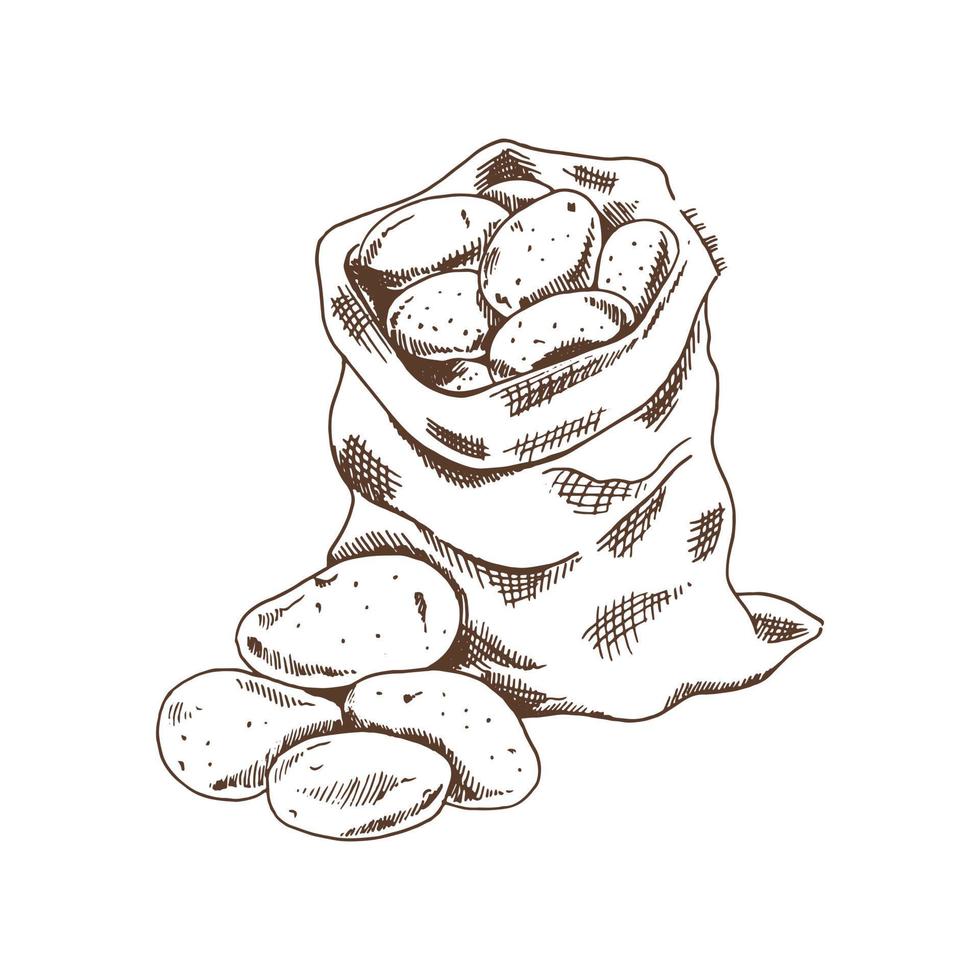
Our primary flour source. Two methods produce different results - flour retains nutrients, starch gives finer texture. Both essential for different recipes.
Requirements
- 100 lbs fresh potatoes
- Drying screens or clean sheets
- 3 days good sun
- Grinding equipment
Flour Method: Boil potatoes until fork-tender. Peel hot (save peels). Mash while warm - no lumps. Spread thin layer on screens. Sun-dry 2-3 days, bring inside at night. Grind dried sheets to powder.
Starch Method: Grate raw potatoes into cold water. Soak 30 minutes. Strain pulp (chicken feed). Let water settle 2 hours. Pour off liquid, keep white paste. Dry completely. Grind fine.
Yield: 15-20 lbs flour per 100 lbs potatoesGreen Powder

Vitamins or scurvy. Your choice. This powder is the difference between thriving and barely surviving through winter. Add to everything.
Blanch any edible greens 30 seconds max - longer and nutrients leach out. Squeeze completely dry - this is critical for storage. Spread single layer on screens with no overlapping. Full sun 1-2 days until crispy. Crumble to powder. Store in airtight containers away from light.
Works with: kale, chard, beet greens, dandelion, lamb's quarters, even carrot tops. One tablespoon per serving minimum. Mix into flatbread dough, soups, fritters. Tastes like grass but keeps teeth from falling out.
10 lbs fresh → 1 lb powderCattail Flour

Comins Lake edge provides year-round starch source. Fall or early spring before shoots emerge gives best yield. Labor intensive but adds variety to potato-heavy diet.
Dig rhizomes from lake edge using shovel or hands - expect mud. Clean thoroughly, peel tough outer layer. Crush in cold water to release starch - this takes serious effort. Let settle 2 hours minimum. Pour off brown water carefully, keeping white sediment. Dry in full sun until powdery. Grind when completely dry or it molds.
Slightly nutty flavor, good binding properties. Mix with potato flour for better texture in flatbreads. Can also roast young shoots like asparagus in spring.
5 lbs rhizomes = 1 lb flour (full day's work)Potato Flatbread

Our daily bread. Make double batch - they keep 2 days wrapped and are better than nothing cold.
Ingredients
- 2 cups potato flour
- 1 cup water (start with 3/4)
- 1 tsp salt
- 2 tbsp any fat
Mix dry ingredients. Work in fat with fingers until crumbly. Add water slowly until thick paste forms - too much and they won't hold. Rest 10 minutes for flour to hydrate.
Heat cooking surface (griddle, flat rock, cast iron) until water droplets dance. Form palm-sized rounds, flatten thin as possible. Cook until edges curl up, flip once only. Should puff slightly if heat is right. Stack under cloth to keep soft.
Makes 6-8 flatbreadsRoot Fritters

What You Need
- 1 cup grated potato
- 1 cup grated whatever else
- 1/2 cup potato flour
- 1 egg or starch slurry
- Salt, herbs
- Oil (use sparingly)
Grate vegetables coarse - fine grating releases too much water. Squeeze out excess moisture in cloth. Mix with flour, egg, and seasonings. Let sit 5 minutes to bind.
Form palm-sized patties, not too thick or center stays raw. Heat minimal oil - we can't waste it. Fry until golden and crispy, about 4 minutes per side. They're fragile without gluten - flip once only using two spatulas. Drain on whatever paper you have.
No egg? Mix 2 tablespoons potato starch with 3 tablespoons water. Works almost as well.
8-10 fritters - good cold for trail foodCamp Soup
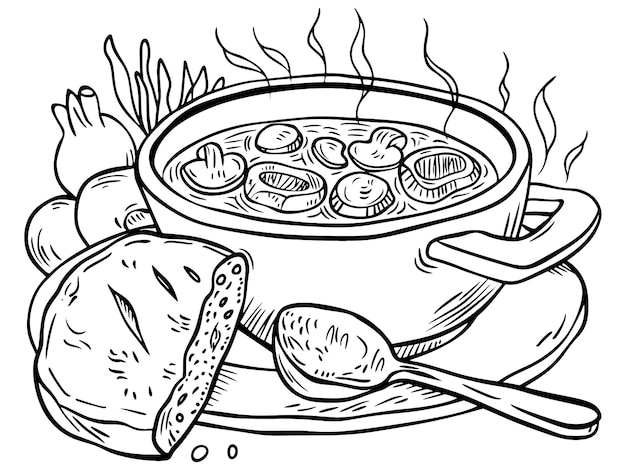
Never gets old because it's never the same twice. Base recipe feeds 4-6, always make double.
Base Recipe
- 4 cups water or bone broth
- 2 cups diced potatoes
- 1 cup diced turnips/carrots
- 1 cup chopped greens
- 1/2 cup potato starch slurry
- Dried herbs, salt
Start with cold water and roots - brings out more flavor than hot start. Bring to boil, reduce to simmer. Cook until roots soft, about 20 minutes at altitude. Add greens last 5 minutes only. Mix potato starch with cold water until smooth, stir in to thicken. Season with whatever herbs we dried and precious salt.
Additions when available: wild onions, garlic, rabbit or chicken bones, eggs dropped in at end, green powder for vitamins. Always better second day.
Feeds 4-6 hungry peopleTrail Bars

Essential for salvage runs to Ely. High calorie, portable, won't spoil. Make monthly batch.
Mix Together
- 2 cups potato flour
- 1 cup ground seeds/nuts
- 1/2 cup melted fat
- 1/2 cup cattail flour
- 2 tbsp green powder
- Salt
- Dried berries if found
Melt fat gently - don't burn it. Mix all dry ingredients in large bowl. Pour fat over mixture, combine thoroughly until it holds together when squeezed. Press firmly into flat pan - the thinner the faster they dry.
Set in full sun for 3-4 days, bringing in at night. Flip daily for even drying. When completely dry and firm throughout, cut into bars with sharp knife. Wrap individually in whatever paper available.
20 bars - lasts weeksBirthday Stack Cake
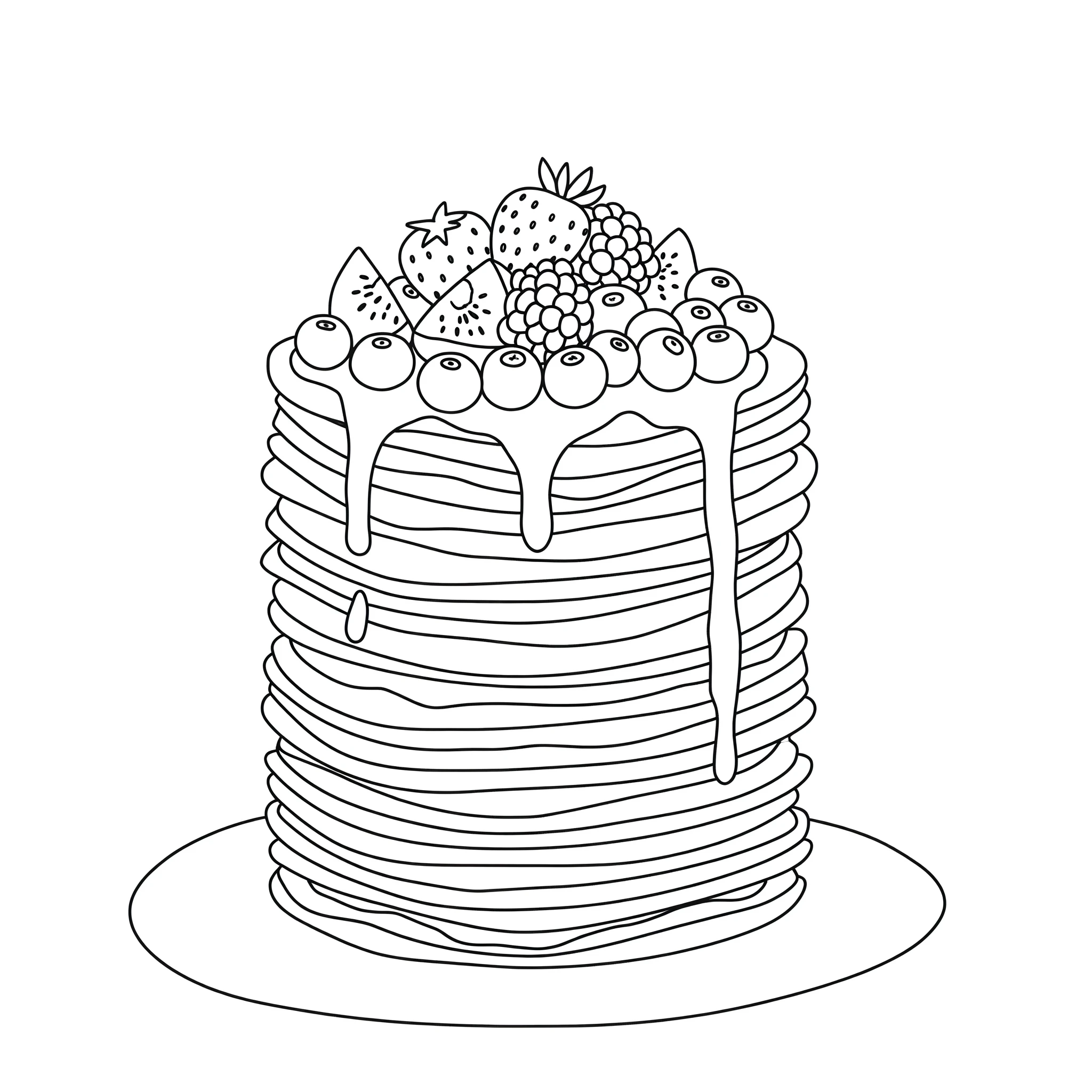
Proof we're still human. Takes planning - save sweetener for weeks ahead. Worth it for morale.
Make regular flatbread batter but add ALL available honey or sugar, plus extra fat for richness. Batter should be thinner than usual. Cook 8-10 very thin layers in covered pan - thinner than regular flatbread, almost crepe-like. Each layer must cool completely or they stick.
Stack cooled layers with thin coating of fruit preserves, applesauce, or reconstituted dried fruit between each. Press gently together. Wrap in clean cloth, let sit overnight - moisture from fruit softens layers into cake-like texture.
Morning of celebration, dust with powdered sugar if available. Sing whatever birthday song you remember. Cut with sharpest knife. Everyone gets a piece, no matter how thin.
Serves 8-10 survivorsElk Stew for Forty

When someone brings down an elk, nothing gets wasted. This feeds the whole camp for two days. The bones go for stock, the hide for leather, the fat rendered for cooking. This stew stretches 30 pounds of meat into 120 servings.
For the Masses
- 30 lbs elk meat, cubed
- 40 lbs potatoes, chunked
- 20 lbs root vegetables
- 5 lbs dried beans (soaked overnight)
- Whatever greens we have
- Salt, sage, juniper berries
- 20 gallons water
Brown meat in batches in the biggest pot we have - the one from the brewery. Add everything else. Cook all day over low fire, stirring with the canoe paddle. First day everyone gets meat. Second day it's mostly potatoes and memories of meat. Both days, everyone eats.
Save every bone for stock. Render the fat - it's gold for cooking. The organs go to whoever did the field dressing. Fair is fair.
Feeds 40 people for 2-3 daysRabbit Every Which Way
Cottontails and jackrabbits everywhere. Kids can trap them. One rabbit feeds 2-3 people, so we need volume. Process 10-15 at once to make it worthwhile.
Basic Rabbit Process
- 10 rabbits, cleaned
- Salt for curing
- Smoke house ready
- Vinegar if available
- Wild sage, lots of it
Fresh: Dredge in potato flour, fry in rendered elk fat. Feeds tonight.
Smoked: Salt heavy for 24 hours. Smoke 2 days over juniper. Keeps 2 weeks without refrigeration.
Preserved: Bone out, pack in salt and sage. Store in cool cellar. Rehydrate in soup later. Tastes like survival.
Jerky: Slice thin with grain. Salt, smoke until leather. Chew carefully - we can't fix teeth.
10 rabbits = 30 meals or 60 days jerky rationsSage Grouse with Actual Sage

They taste like the sagebrush they eat - lean, gamey, tough if you cook them wrong. One bird feeds 4 people if you're careful. The desert gives us sage grouse and sage. Sometimes the obvious works.
Per 2 Birds
- 2 sage grouse, plucked
- 4 cups root vegetables
- Fresh sage (everywhere)
- 2 cups liquid (water/stock)
- Wild onions if found
- Bacon fat if we're lucky
Stuff cavity with sage and wild onions. Sear in hot fat until brown all over - this matters. Place on bed of root vegetables in covered pot. Add liquid, cover tight. Cook low and slow 3 hours minimum. The old birds need time to surrender.
The young ones in spring can be roasted quick. The old ones require patience. Learn to tell the difference or suffer tough meat and complaints.
Serves 8 reasonably hungry peopleVenison Processing Day

Mule deer gives us 150-200 pounds dressed. Process immediately or lose everything to spoilage. All hands required. No exceptions. This is how 180 people get through winter.
Hour 1-2: Quarter and cool. Hang in mine shaft if summer, outside if winter. Temperature is everything.
Hour 3-6: Butcher into cuts. Steaks for celebration dinners. Roasts for Sundays. Stew meat for daily pot. Scraps for sausage.
Hour 7-12: Grind scraps with last year's sage, salt, dried berries if we saved any. Stuff into cleaned intestines. Smoke half immediately, freeze half (if you can). Make pemmican from remainder - pound thin, dry, mix with rendered fat and dried berries. Lasts forever, tastes like it too.
Next Day: Render all fat - cooking, candles, waterproofing. Tan hide with brain matter. Antlers for tools. Sinew for thread. Bones for stock then buttons. Everything has a purpose.
One deer = 400+ meals if handled rightComins Lake Fish Fry

Rainbow and brown trout still biting. When someone catches enough for everyone, we feast. Other days, they go to kids and nursing mothers first. Protein hierarchy is real.
Community Fish Fry
- 30-40 trout, cleaned
- Potato flour for coating
- Cattail root flour (adds crunch)
- Oil or fat (precious)
- Salt, green powder
- Lemon (in our dreams)
Set up oil stations outside - smoke bothers nobody. Mix flours with salt and green powder. Dredge fish, shake excess, straight into hot oil. 3 minutes per side, no more. Drain on whatever paper the maintenance shop has.
Summer: Eat outside at picnic tables like the old days. Winter: Everyone brings their portion back inside. Oil gets strained, saved, used four more times before it becomes soap.
When lucky: 1 fish per personPine Nut Harvest Mash

September brings pine nuts if we beat the jays to them. Worth it for the fat and protein. This mash will keep us alive between failed hunts.
Survival Mash
- 5 lbs pine nuts, shelled
- 10 lbs cooked potatoes
- 2 lbs rendered fat
- Salt to taste
- Dried berries if any
- Green powder (always)
Grind pine nuts to paste - the hand-crank grinder from the brewery works. Mash hot potatoes, mix with nut paste and fat while warm. Add salt, berries, green powder. Pack into containers, pour melted fat on top to seal.
Eat cold, slice thick. Fry slices for breakfast. Crumble into soup for calories. One spoonful has more nutrition than anything else we make. Tastes like pine trees and determination.
40 servings of concentrated caloriesAntelope Jerky & Pemmican

Pronghorn runs 60 mph but can't outrun a rifle. Lean meat means it dries fast - perfect for jerky. This is trail food, emergency rations, and winter insurance.
From One Antelope
- 40 lbs lean meat
- 5 lbs salt
- Sage, juniper berries
- 5 lbs rendered fat (any source)
- 2 lbs dried berries
- Mesquite for smoking
Jerky: Slice 1/4 inch thick WITH the grain (lasts longer). Salt cure 24 hours. Shake off excess, hang in smoke house. 3 days minimum, until it cracks when bent. Store in mine shaft.
Pemmican: Grind jerky to powder in the mechanical bull motor we converted. Mix equal parts meat powder and rendered fat. Add crushed berries. Pack into cans from the gift shop. Seal with fat layer. One pound feeds a person for three days. Tastes terrible. Keeps you alive.
40 lbs meat = 10 lbs jerky or 20 lbs pemmicanWild Turkey Feast Day

Wild turkey for Thanksgiving - if we remember what day it is. Tougher than store-bought, stronger flavor. One 15-pound bird feeds 8-10. We need multiple birds or most get potatoes with "essence of turkey" (gravy).
Brine overnight in salt water with sage and juniper. Stuff with wild onions, sage, stale flatbread. Roast in the wood oven, rotating every 30 minutes - these ovens have hot spots that'll char one side while leaving the other raw.
The few who grew up hunting know: wild turkey legs are inedible unless braised forever. Give drumsticks to the dogs or slow-cook three days for soup. Breast meat goes to humans. Dark meat needs time and patience we don't have.
Save every feather for pillows, arrows, insulation. Wishbone still works for wishes. We all wish for the same thing anyway.
1 turkey per 8-10 people (optimistic)Emergency Protein Soup

When hunting fails and stores run low. Everything edible goes in the pot. Pride is a luxury we can't afford. This soup has saved us more than once.
Whatever We Have
- Any bones with scraps
- Organ meats (all of them)
- Potato peels
- Wilted greens
- Pine needles (vitamin C)
- Cattail roots
- Grasshoppers (protein)
- Green powder (mandatory)
Start with bones - even ones already used once. Boil hard for hours, breaking them for marrow. Add organs cut small so nobody knows what they're eating. Vegetables go in by cooking time needed. Pine needles steep last 10 minutes only - longer makes it medicinal tasting.
About the grasshoppers: remove legs and wings, roast until crunchy, grind to powder. Nobody needs to know. Protein is protein. We're past being squeamish.
Feeds everyone somethingGetting Cream from Fresh Milk

What You Need
- Fresh whole milk (from goats or cows)
- Wide shallow pan or bowl
- Cool place (50-60°F)
- Ladle or turkey baster
- Time: 12-24 hours
Method: Pour fresh milk into wide, shallow container - more surface area means better separation. Let sit undisturbed 12-24 hours in cool place. Cream rises to top as thick yellow layer.
Skimming: Use ladle to carefully skim cream layer. The cream line is visible - usually 1/5 to 1/3 of total volume. First 12 hours gives light cream (20% fat). 24 hours gives heavy cream (36% fat).
1 gallon whole milk = 1.5-2 cups heavy creamButter from That Cream

Now Make Butter
- 2 cups cream from above
- 1/2 tsp salt (optional)
- Large jar with tight lid
- Cold water for washing
Method: Fill jar halfway with room temperature cream. Shake vigorously 15-20 minutes. First becomes whipped cream, then suddenly separates into butter and buttermilk. Pour off buttermilk (save for potato flatbread). Rinse butter in cold water until clear. Salt if desired.
Storage: In mine shaft (48°F): keeps 2-3 months. Submerged in brine: 1 month. Wrapped in cloth: 2 weeks.
2 cups cream = 1 cup butter + 1 cup buttermilkCheese Without Rennet

Simple Acid Cheese
- 1 gallon milk (goat or cow)
- 1/4 cup vinegar
- 1 tsp salt
- Cheesecloth
- Weight for pressing
Process: Heat milk to 185°F. Remove from heat. Add vinegar slowly, stirring. Curds form immediately. Let sit 10 minutes. Strain through cheesecloth. Rinse curds. Salt. Wrap in cloth, press with weight - 4 hours for soft, 24 hours for firm.
Storage: Fresh: 1 week. In salt brine: 1 month. Waxed and aged in mine shaft: 2-4 months.
1 gallon milk = 1 lb cheeseRendering Tallow for Everything
From Elk, Deer, or Cattle
- 10 lbs fat (suet or kidney fat best)
- Large pot
- 1/4 cup water
- Strainer and cheesecloth
- Storage jars
Process: Cut fat into 1-inch cubes. Add to pot with water (prevents sticking). Heat on low 4-6 hours. Fat slowly melts. Done when cracklings float and turn golden.
Uses: Cooking, candle making, soap, waterproofing leather, preserving meat, lamp fuel. Save cracklings for dog food or fry crispy for snacks.
10 lbs fat = 7-8 lbs pure tallowTallow Candles

From Rendered Tallow
- 5 lbs tallow from above
- Cotton string for wicks
- Salt water (for wicks)
- Sticks for dipping
- Tall container
Wick Prep: Soak cotton string in salt water 2 hours. Dry completely. Helps even burning.
Dipping: Melt tallow in tall container. Tie wick to stick. Dip quickly, let cool 30 seconds. Repeat 20-30 times. Each dip adds a layer.
5 lbs tallow = 15-20 candlesLye Soap from Wood Ash

Using Campfire Ash
- 10 cups hardwood ash
- Rainwater
- 5 cups rendered tallow
- Bucket with drain hole
- Non-aluminum pot
Making Lye: Place ash in bucket with small drain hole. Pour rainwater through slowly. Collect liquid (lye water). Test: should float an egg with quarter-sized area showing.
Soap: Heat tallow to 100°F. Slowly add lye water while stirring constantly. Stir 30-45 minutes until "trace." Pour into molds. Let harden 24 hours. Cut bars. Cure 4-6 weeks before use.
5 cups fat = 8-10 bars soapWild Plum & Berry Preserves

Nevada Wild Fruits
- 4 cups wild plums or berries
- 3 cups sugar (if available)
- OR 2 cups honey
- 1/4 cup lemon juice
- Sterilized jars
Method: Combine fruit and sugar, let sit 2 hours. Boil hard, stirring constantly. Add lemon juice. Boil until thick (220°F or drops from spoon sheet together). Pour hot into jars leaving 1/4 inch space. Process in boiling water 10 minutes.
No Sugar Option: Reduce fruit juice by half through boiling. Add honey. Cook to thick syrup stage. Won't set as firm but preserves fruit.
4 cups fruit = 3 cups preservesSauerkraut in the Desert

Using Available Vegetables
- 5 lbs cabbage or turnips
- 3 tablespoons salt
- Large crock
- Weight (plate with stone)
- Cloth cover
Method: Shred vegetables thin. Mix with salt, pound until liquid releases. Pack tight in crock. Liquid must cover vegetables. Weight down. Cover with cloth.
Desert Adjustment: High altitude and low humidity affect fermentation. Keep in mine shaft entrance (55°F) not full sun. Ready in 3-4 weeks. Skim white film daily.
5 lbs vegetables = 2 quarts fermentedVinegar from Any Fruit Scraps

Apple or Wild Plum Vinegar
- Fruit scraps (cores, peels)
- Sugar (1 tbsp per cup water)
- Water
- Large jar
- Cheesecloth
First Stage: Fill jar 3/4 with scraps. Add sugar water to cover. Cover with cloth. Stir daily 2 weeks. Strain.
Second Stage: Let strained liquid sit 4-6 weeks. White film (mother) forms - that's good. When sour enough, strain and bottle.
1 gallon jar = 3 quarts vinegar in 6-8 weeksPine Nut Oil
September Harvest
- 5 lbs shelled pine nuts
- Meat grinder or mortar
- Press or heavy weights
- Cheesecloth bags
- Collection pan
Process: Grind nuts to fine paste - run through grinder 3-4 times. Pack paste in cheesecloth. Place between boards, apply steady pressure with weights. Oil drips slowly over 24-48 hours.
Reality: Labor intensive for small yield but pine nut oil is incredibly nutritious. Save pressed cake for eating - still has protein.
5 lbs pine nuts = 1.5 cups precious oilSalt Curing Wild Game

For Elk, Deer, Antelope
- Meat cuts
- 3 lbs coarse salt per 10 lbs meat
- Sugar (optional)
- Sage, juniper berries
- Cool storage (35-40°F)
Process: Mix salt with crushed sage and juniper. Coat meat 1/2 inch thick. Pack in container, cover with cure. Weight down. Small cuts: 2 days per pound. Large: 3 days per pound.
After: Rinse thoroughly. Soak 2 hours to remove excess salt. Hang in mine entrance to age or smoke over juniper.
10 lbs fresh = 7-8 lbs cured meatTrout Cakes with Cattail Root
Ingredients (Serves 20)
- 10 trout, cooked and flaked
- 4 cups mashed potatoes
- 1 cup cattail root flour
- Wild onions, chopped
- 2 eggs (if available)
- Salt, pepper, sage
- Fat for frying
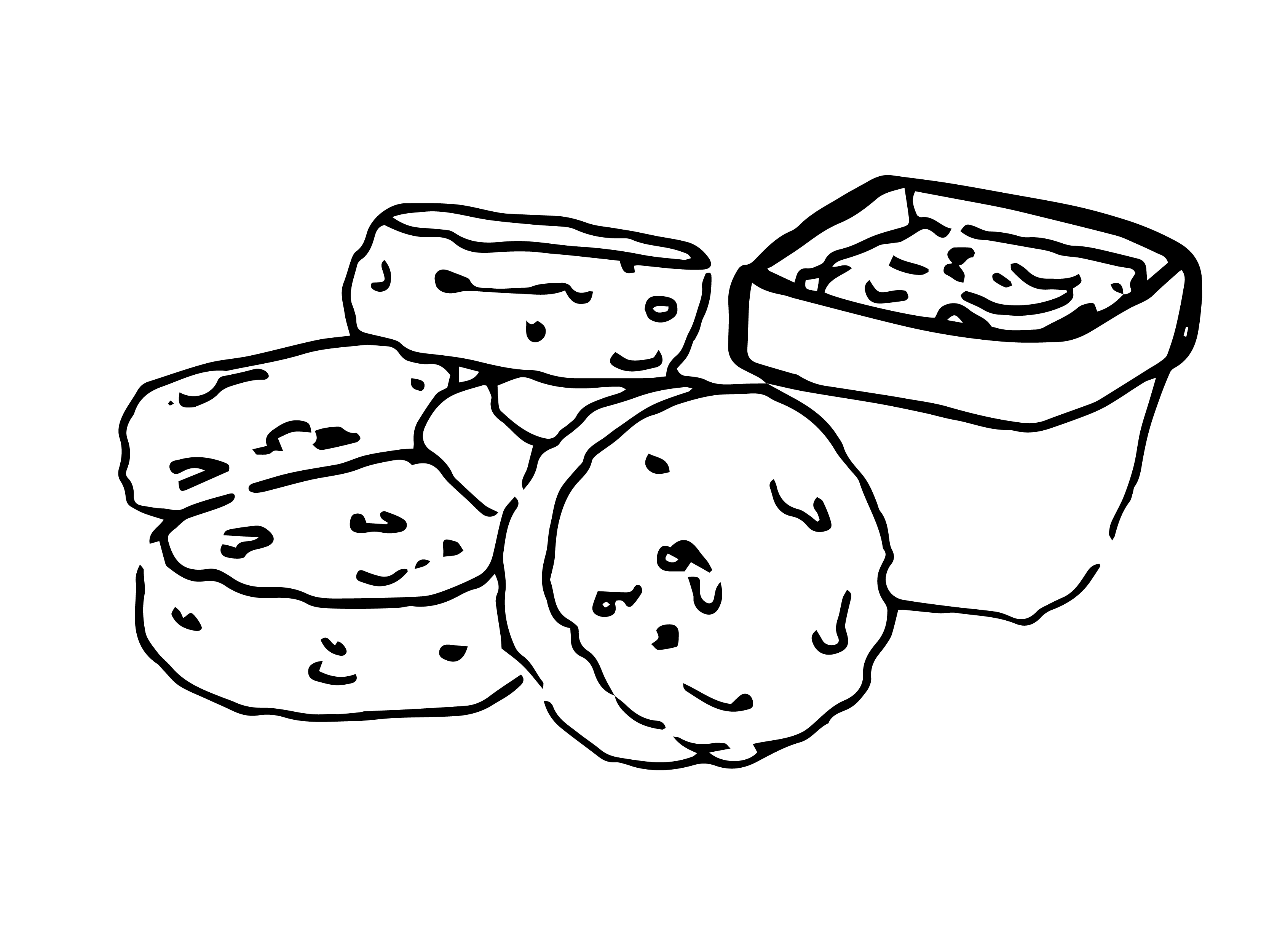
Mix flaked trout with cold mashed potatoes. Add cattail flour for binding, chopped onions, beaten eggs. Season well. Form into palm-sized patties. Dust with potato flour.
Fry in hot fat until golden both sides. Cattail flour gives nutty flavor and crispy crust. Serve hot or pack cold for trail food.
Makes 40 cakesHigh Desert Borscht

Winter Soup (Serves 30)
- 15 lbs beets
- 10 lbs cabbage
- 5 lbs carrots
- Venison bones for stock
- Vinegar (2 cups)
- Salt, bay leaves
- Sour cream if available
Roast beets in coals until tender. Peel, grate coarse. Make stock from venison bones - 6 hours minimum. Add shredded vegetables to stock, simmer 45 minutes.
Add grated beets and vinegar last 10 minutes - keeps color bright. Serve with dollop of sour cream or yogurt if dairy's available.
Feeds 30 hungry peopleAntelope Carpaccio

Special Occasion (Serves 10)
- 1 lb antelope backstrap
- Coarse salt
- Juniper berries, crushed
- Pine nut oil
- Wild arugula or greens
- Vinegar
Freeze meat partially for easier slicing. Cut paper-thin against grain. Pound between cloth if needed. Arrange on plates immediately.
Sprinkle with coarse salt, crushed juniper. Drizzle precious pine nut oil. Add greens tossed in vinegar. Serve within 10 minutes. This is celebration food - birthdays, successful hunts.
Special treat for 10Potato Gnocchi Desert Style

Bulk Carbs (Serves 40)
- 20 lbs potatoes
- 5 cups potato flour
- 4 eggs
- Salt
- Sage butter if possible
- Or just rendered fat
Boil potatoes, peel hot, mash smooth. Cool to handling temperature. Mix in flour gradually, add eggs, salt. Knead until smooth - don't overwork.
Roll into ropes, cut into pieces. Optional: roll on fork for ridges. Boil in batches until they float. Toss with sage fried in butter or just rendered fat. Filling and different from daily potatoes.
Feeds 40 with leftoversTurnip & Radish Kimchi
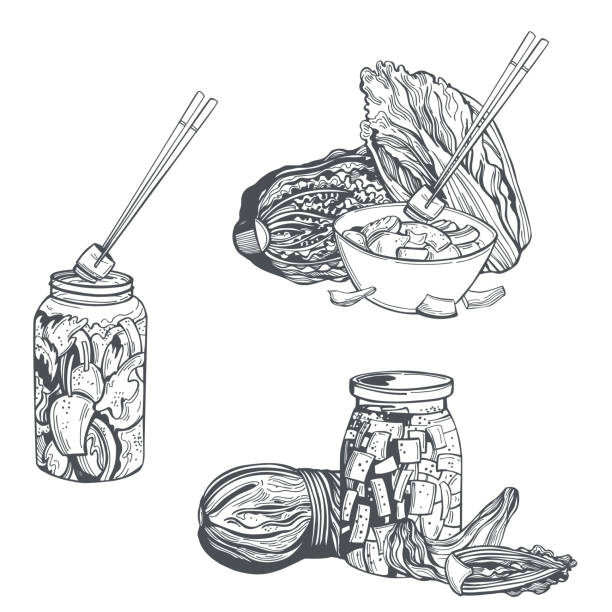
Desert Fermentation
- 10 lbs turnips, cubed
- 5 lbs radishes, sliced
- 1 cup salt
- Wild onions
- Pine nuts, ground
- Juniper berries
Salt vegetables heavily, let drain 4 hours. Rinse, squeeze dry. Mix with wild onions, ground pine nuts for umami, crushed juniper for heat.
Pack in jars, cover with brine. Ferment at mine entrance (55°F) for 2 weeks. The altitude makes fermentation slower. Spicy, sour, keeps all winter.
15 quarts fermented vegetablesAcorn Flour Pancakes

If You Find Oak Trees
- 2 cups acorn flour (leached)
- 1 cup potato flour
- 2 eggs
- 2 cups milk or water
- Fat for griddle
- Honey or syrup
Process acorns: shell, grind, leach in water until bitterness gone (change water 10+ times). Dry, grind fine.
Mix flours, add eggs and liquid for thin batter. Cook on hot griddle. Nutty, earthy flavor. Worth the acorn processing labor for variety.
Serves 8-10Stuffed Squash Blossoms
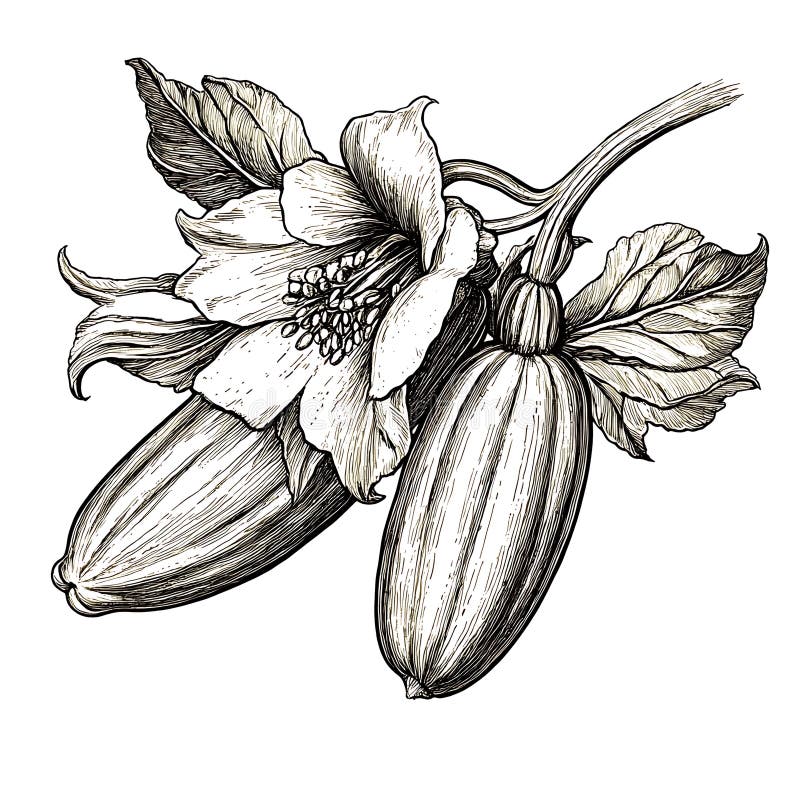
Summer Greenhouse Treat
- 30 squash blossoms
- 2 cups soft cheese
- Wild herbs, minced
- Potato flour batter
- Oil for frying
Pick male blossoms in morning (leave females for squash). Mix cheese with herbs. Stuff blossoms, twist closed.
Dip in thin potato flour batter. Fry quickly until golden. Delicate, only possible with greenhouse production. Makes people remember restaurants.
Appetizer for 15Blood Sausage
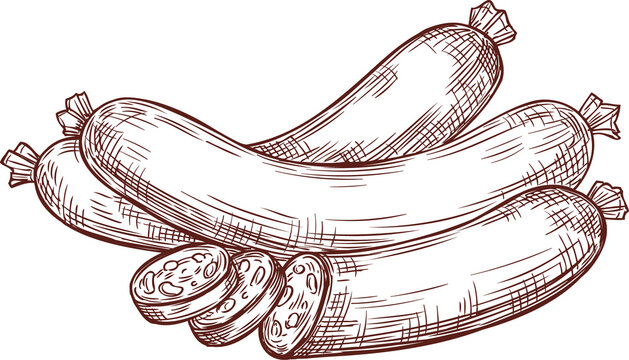
Waste Nothing
- 2 quarts fresh blood
- 2 lbs cooked potatoes
- 1 lb rendered fat, diced
- Wild onions
- Salt, pepper, sage
- Cleaned intestines
Strain blood to remove clots. Mix with diced cooked potatoes, fat pieces, onions, heavy seasoning. Stuff into cleaned intestines, tie sections.
Simmer gently 30 minutes. Cool, then fry slices for breakfast. Iron-rich, uses every part of animal. Not everyone's favorite but everyone needs iron.
20 servings high-iron foodRose Hip Syrup
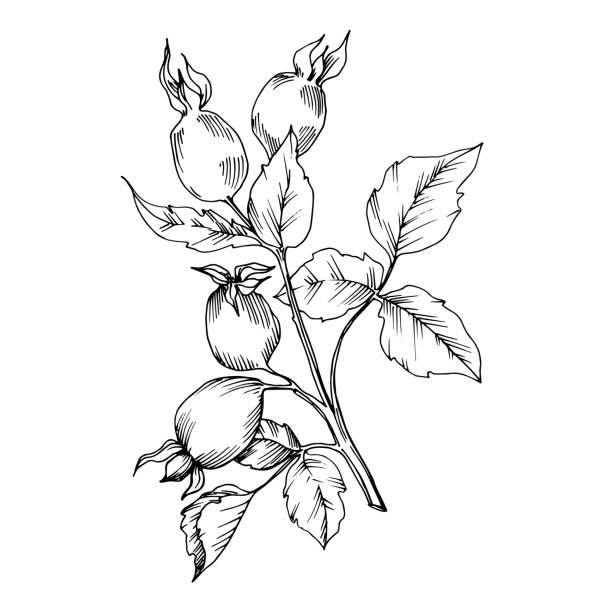
Vitamin C Concentrate
- 4 lbs rose hips
- Water to cover
- Sugar (1:1 with liquid)
- Or honey (3/4:1)
- Strainer, bottles
Gather after first frost - sweeter. Remove seeds (irritant). Boil hips in water 20 minutes. Strain, pressing solids. Measure liquid, add equal sugar.
Boil to syrup consistency. Bottle hot. One tablespoon daily prevents scurvy. Mix with hot water for tea. Critical winter vitamin source.
2 quarts vitamin C syrupRabbit Rillettes
Preserved Spread
- 6 rabbits, cut up
- 2 lbs rendered fat
- Salt, thyme, bay
- White wine if available
- Sterilized jars
Season rabbit heavily with salt, herbs. Let cure overnight. Cook covered in fat, very low heat, 4-5 hours until falling apart.
Shred meat fine, mix with cooking fat to spreadable consistency. Pack in jars, cover with fat layer to seal. Keeps months in cool storage. Spread on flatbread.
8 jars preserved meatDandelion Green Pesto

Spring Sauce
- 4 cups young dandelion leaves
- 1 cup pine nuts
- 4 cloves garlic
- 1 cup oil
- Salt
- Hard cheese if available
Pick dandelions before flowering - less bitter. Blanch 30 seconds, squeeze dry. Grind with pine nuts, garlic, salt. Add oil slowly while grinding.
Add grated cheese if available. Stores under oil layer for weeks. Transforms bland potatoes, pasta, flatbread. Spring nutrition in a jar.
2 cups concentrated greensPickled Everything

Vinegar Preservation
- Any vegetables
- Vinegar (homemade)
- Water
- Salt
- Sugar if available
- Sage, juniper
Basic brine: equal parts vinegar and water, 1 tablespoon salt per cup. Add sugar if you have it. Boil.
Pack raw vegetables in jars: radishes, turnips, beets, green beans, wild onions. Pour hot brine over. Seal. Ready in 1 week, better in 1 month. Acidity preserves without refrigeration.
Endless pickle varietiesMaking Buckwheat Flour

From Grain to Flour
- Buckwheat groats (hulled)
- Hand mill or grinder
- Fine sieve
- Storage containers
Growing: Plant after last frost. 70-80 days to harvest. Cut when 75% of seeds are brown. Dry bundles 1-2 weeks. Thresh to remove seeds.
Hulling: Run through hand mill set loose to crack hulls without crushing groats. Winnow to separate. Expect 40% loss.
Grinding: Grind hulled groats in hand mill. Sift through fine sieve. Regrind coarse pieces. Use fresh - buckwheat flour goes rancid quickly.
10 lbs grain = 5-6 lbs flourSourdough Starter for Bread
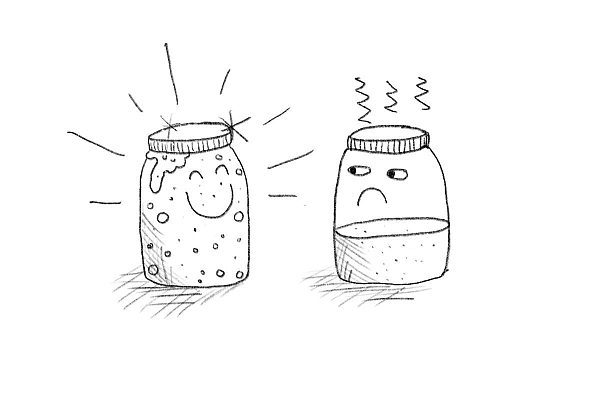
Wild Yeast Capture
- 1 cup flour (potato or buckwheat)
- 1 cup water
- Glass jar
- Cloth cover
- 7-14 days
Day 1: Mix flour and water in jar. Cover with cloth. Leave at room temperature.
Days 2-14: Daily: Discard half. Add 1/2 cup flour and 1/2 cup water. Stir. Bubbles appear day 3-4. Sour smell develops.
Ready when: Doubles in size within 4-8 hours after feeding. Floats in water. Smells tangy.
Maintain: Feed daily at room temp or weekly refrigerated. Always save some when using.
Endless starterBuckwheat-Potato Bread
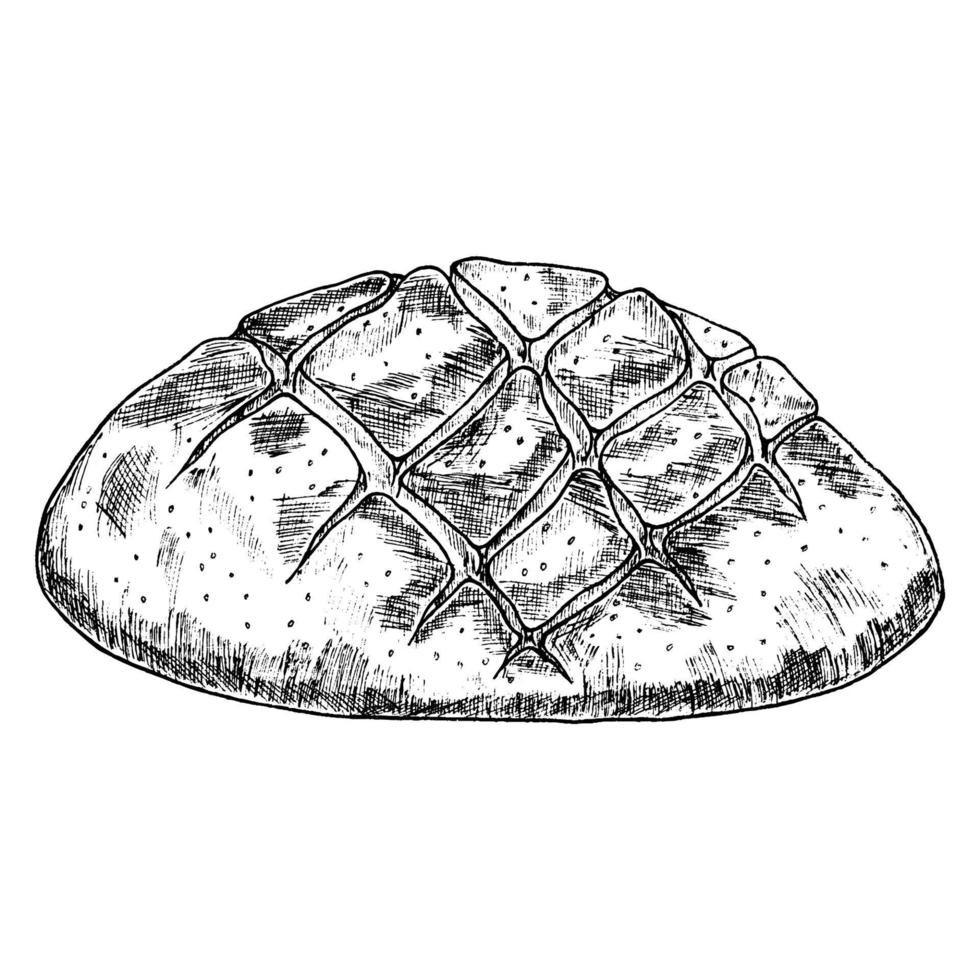
Makes 2 Loaves
- 2 cups buckwheat flour
- 2 cups potato flour
- 2 cups active starter
- 1.5 cups warm water
- 2 tsp salt
- 2 tbsp fat
Mix: Combine flours and salt. Add starter, water, fat. Mix to shaggy dough. Let rise 4-6 hours.
Shape: Turn out, shape into rounds. Place in greased pans. Rise 2-3 hours.
Bake: Slash top. 450°F for 35-40 minutes until hollow sounding. Cool completely before cutting.
2 loavesBuckwheat-Potato Tortillas

Makes 12
- 2 cups buckwheat flour
- 1 cup potato starch
- 1 tsp salt
- 3 tbsp fat
- 1 cup hot water
Dough: Mix flours and salt. Rub in fat. Add hot water gradually until soft dough forms. Rest 30 minutes.
Roll: Divide into 12. Roll very thin.
Cook: Hot dry griddle, 45 seconds per side until spots appear.
12 tortillasBuckwheat Pasta

Soba-Style Noodles
- 2 cups buckwheat flour
- 1/2 cup potato starch
- 1 tsp salt
- 2 eggs
- Water as needed
Dough: Mix flours and salt. Add eggs. Add water by teaspoons until firm dough. Knead 10 minutes. Rest 30 minutes.
Cut: Roll thin. Dust with starch. Fold, cut strips.
Cook: Boil 2-3 minutes in salted water.
Serves 6-8