
Nevada Foraging Notes
IMPORTANT - Death camas looks exactly like wild onions but will kill you dead. Onions have purple flowers, death camas has white flowers. When in doubt, don't eat it.
When to find what
Spring (April-June) - Wild onions pop up in meadows, lamb's quarters in any disturbed dirt, dandelions everywhere, wild asparagus near water if you're lucky
Summer (July-August) - Pine nuts if it's a good year, berries like currants and gooseberries, purslane growing in old garden areas, wild mint by any streams
Fall (September-October) - Last chance before winter. Acorns from scrub oak, rose hips, juniper berries. Stock up on anything that stores well.
Plants around here

Found 8/15
Pinyon Pine
Mountain slopes between 5,000-8,000 feet. Pine nuts from cones but only every few years. Can eat raw or roast them. These nuts are pure gold for calories when you find them.

Spring find
Wild Onions
Meadows and slopes, rocky areas. Dig up bulbs in spring, flowers good in summer. Purple or pink flowers ONLY. Use for seasoning everything.
Everywhere!
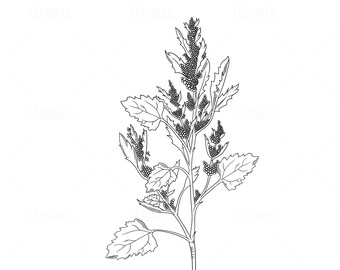
Lamb's Quarters
Grows in disturbed soil, old roadsides, anywhere people used to live. Young leaves taste like spinach. High in vitamins. Grows fast after rain.

Desert gold
Prickly Pear Cactus
Lower desert areas and rocky slopes. Young pads are edible after burning off spines. Spring through fall harvest. Pads taste like green beans, fruits like watermelon. Good source of water in emergency.

Red bark ID
Manzanita
Mountain slopes 4,000-7,000 feet. Red berries in late summer. Can eat fresh or make into cider. Very hard seeds, don't try to chew them. Look for shrubs with smooth red bark and small oval leaves.

Protein rich
Amaranth
Disturbed soil and abandoned fields. Tall plants with red or green flower spikes. Seeds in fall are tiny but high protein. Young leaves edible like spinach. One plant can produce thousands of seeds.
Natural caffeine
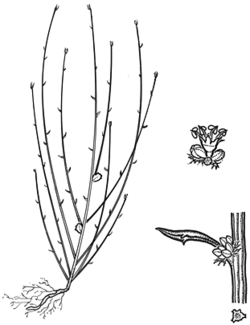
Mormon Tea (Nevada Joint Fir)
Desert areas and dry slopes. Looks like green sticks with joints, no leaves. Contains natural caffeine. Harvest young green stems. Stronger than coffee so don't drink too much. Native name is Epazote.

Creek beds
Chokecherry
Near water sources and creek beds. Dark red to black berries in late summer. Very astringent fresh, better cooked. Pits are toxic so strain them out. Makes good dried leather for winter storage.

Sweet flowers
Wild Clover
Meadows and moist areas. Three-leaf plants with white or pink flower heads. Flowers are sweet, leaves somewhat bitter. Best in spring before flowers get tough. Look for the classic three-leaf pattern.

Like blueberries
Serviceberry
Mountain slopes and canyon bottoms. Small tree or large shrub. Purple berries in summer taste like blueberries but dryer. Excellent dried for winter. Also called Juneberry or Saskatoon berry.
Nature's bandaid
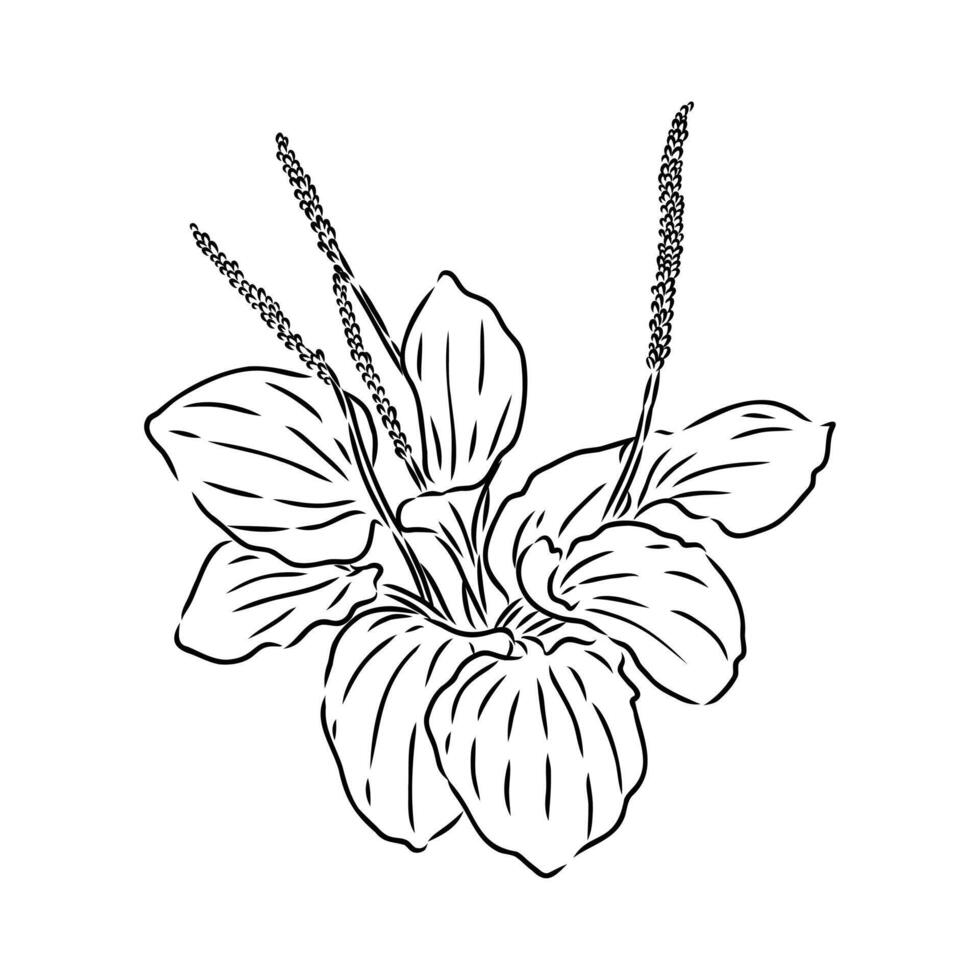
Plantain
Everywhere humans have been. Oval leaves with parallel veins in rosette pattern. Best medicine plant for cuts and stings. Chew and apply directly to wounds. Both broadleaf and narrow leaf types work.
Soap plant
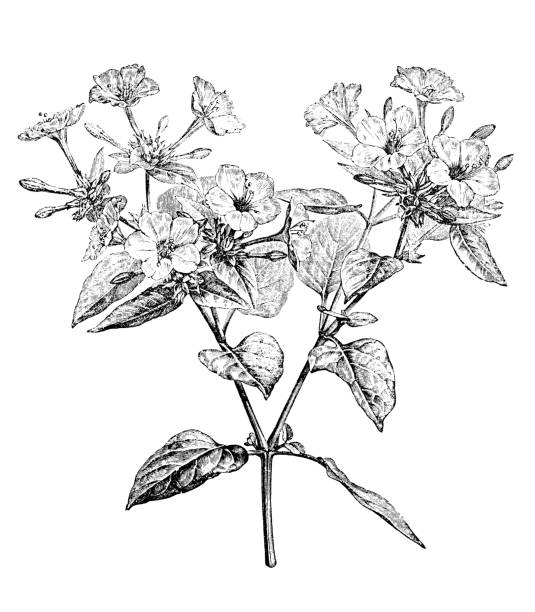
Four O'Clock
Dry areas and waste places. Pink or white flowers that open in late afternoon. Large taproot contains soap compounds. Pound root with water to make suds for washing. Also called Desert Four O'Clock.

Purple only!
Elderberry
Moist areas and creek bottoms. Flat-topped clusters of tiny white flowers, then dark purple berries. NEVER eat red elderberries - they're toxic. Only dark purple ones are safe. Good for immune system.
Many uses
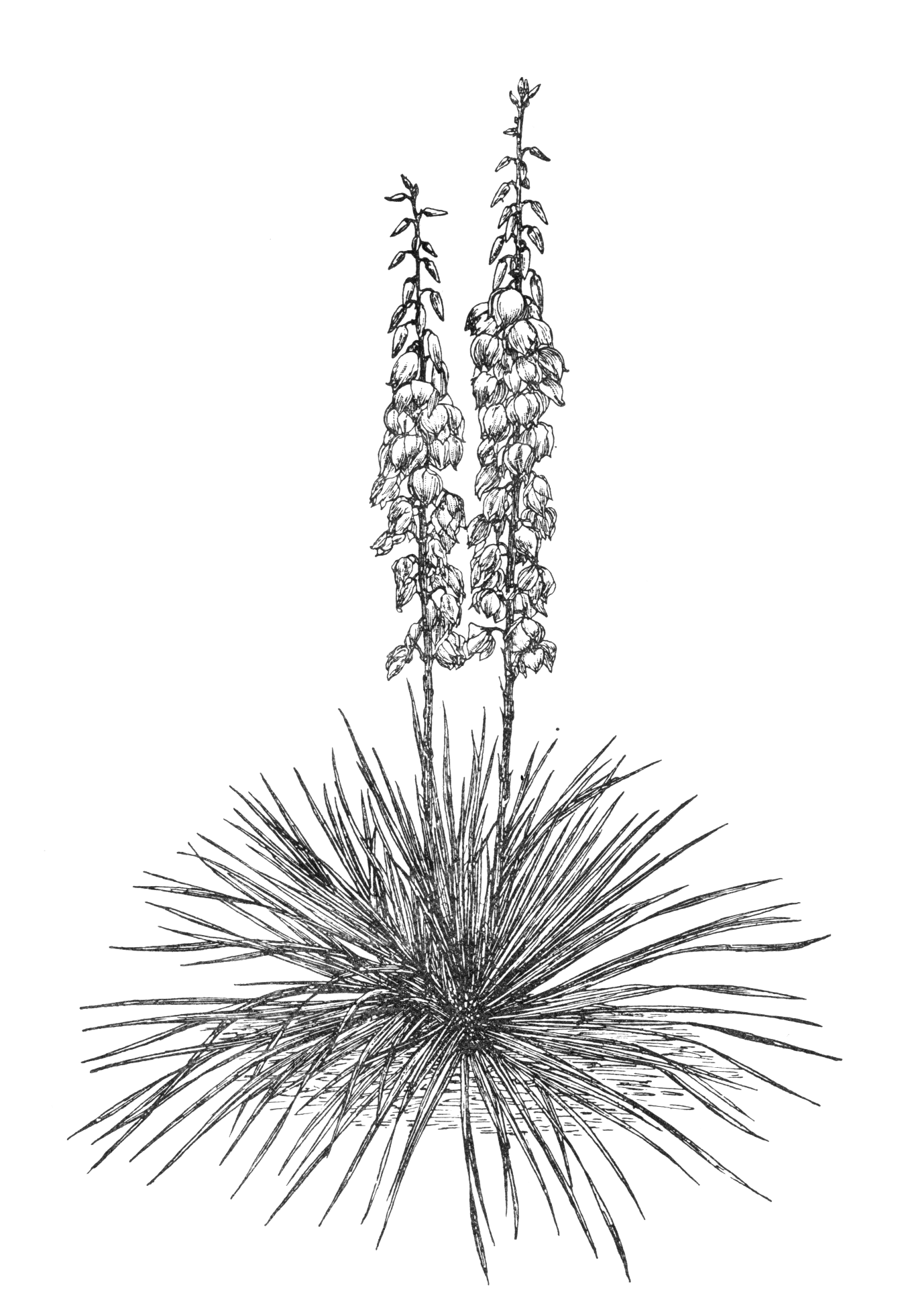
Yucca
Desert and semi-desert areas. Sword-like leaves and tall white flower spikes in spring. Flower petals edible, young flower stalks like asparagus. Root fibers make cordage and soap. Very useful survival plant.
Pine Nuts
Pine Nut Brittle
2 cups raw pine nuts
1 cup sugar
1/4 cup water
2 tbsp butter
1/2 tsp salt
1/2 tsp baking soda
Toast the nuts in a dry pan until golden. Boil sugar and water until it hits 300°F. Take off heat, stir in butter, salt, and baking soda. Mix in nuts real quick. Pour on greased sheet and let cool.
1 cup sugar
1/4 cup water
2 tbsp butter
1/2 tsp salt
1/2 tsp baking soda
Toast the nuts in a dry pan until golden. Boil sugar and water until it hits 300°F. Take off heat, stir in butter, salt, and baking soda. Mix in nuts real quick. Pour on greased sheet and let cool.
Lamb Quarters & Wild Onions
Wild Greens Frittata
6 eggs
1 cup chopped lamb's quarters
1/2 cup wild onions, chopped
2 tbsp oil
Salt and pepper
Cook the onions in oil until soft. Add the greens and cook until wilted. Beat the eggs and season. Pour over the vegetables. Cook until set on bottom, then finish in oven.
1 cup chopped lamb's quarters
1/2 cup wild onions, chopped
2 tbsp oil
Salt and pepper
Cook the onions in oil until soft. Add the greens and cook until wilted. Beat the eggs and season. Pour over the vegetables. Cook until set on bottom, then finish in oven.
Good spots I've found
Cave Lake area - Great for rose hips and wild onions. About 7,200 feet elevation. The old campgrounds still have good foraging around the lake.
Ruby Mountains - If you can get up there, incredible variety. Pine nuts, berries, alpine plants. Mixed forest and high desert. Watch out for wildlife.
Spring Valley - Old homesteads are gold mines. Wild onions grow around foundations and old fence lines. Look for any signs of where people used to live.
Rose Hip
Rose Hip Jelly
4 cups rose hips, stems removed
3 cups water
1 package pectin
3 cups sugar
2 tbsp lemon juice
Simmer the rose hips in water for 15 minutes. Strain through fine mesh to remove all the seeds. Measure 3 cups of liquid. Add pectin and lemon juice, bring to boil. Add sugar, boil hard for 1 minute. Pour into clean jars.
3 cups water
1 package pectin
3 cups sugar
2 tbsp lemon juice
Simmer the rose hips in water for 15 minutes. Strain through fine mesh to remove all the seeds. Measure 3 cups of liquid. Add pectin and lemon juice, bring to boil. Add sugar, boil hard for 1 minute. Pour into clean jars.
Prickly Pear Cactus
Prickly Pear Pad Tacos
4 young prickly pear pads (nopales)
1 wild onion, sliced
Salt and pepper
Oil for cooking
Carefully burn off spines with fire. Scrape clean. Slice pads into strips. Cook in oil with wild onions until tender, about 15 minutes. Season with salt. Tastes like green beans with a slight tang.
1 wild onion, sliced
Salt and pepper
Oil for cooking
Carefully burn off spines with fire. Scrape clean. Slice pads into strips. Cook in oil with wild onions until tender, about 15 minutes. Season with salt. Tastes like green beans with a slight tang.
Manzanita
Manzanita Berry Cider
2 cups manzanita berries
4 cups water
Honey to taste
Crush berries lightly to crack seeds. Soak in cold water for 2-4 hours. Strain out seeds and pulp. The liquid will be pink and slightly sweet. Add honey if desired. Drink fresh or let ferment for a few days for mild alcohol.
4 cups water
Honey to taste
Crush berries lightly to crack seeds. Soak in cold water for 2-4 hours. Strain out seeds and pulp. The liquid will be pink and slightly sweet. Add honey if desired. Drink fresh or let ferment for a few days for mild alcohol.
Amaranth
Wild Amaranth Seed Porridge
1 cup amaranth seeds
3 cups water
Pinch of salt
Wild berries or pine nuts
Toast seeds in dry pan until they pop like tiny popcorn. Boil water, add toasted seeds and salt. Simmer 20 minutes until thick. Top with any wild berries or pine nuts you find. High protein breakfast.
3 cups water
Pinch of salt
Wild berries or pine nuts
Toast seeds in dry pan until they pop like tiny popcorn. Boil water, add toasted seeds and salt. Simmer 20 minutes until thick. Top with any wild berries or pine nuts you find. High protein breakfast.
Mormon Tea / Nevada Joint Fir
Desert Energy Tea
2 handfuls young green stems
2 cups boiling water
Cut young green stems into 2-inch pieces. Pour boiling water over stems. Steep 10-15 minutes. Strain and drink hot. Contains natural caffeine. Tastes slightly bitter but gives good energy boost. Don't drink too much or you'll get jittery.
2 cups boiling water
Cut young green stems into 2-inch pieces. Pour boiling water over stems. Steep 10-15 minutes. Strain and drink hot. Contains natural caffeine. Tastes slightly bitter but gives good energy boost. Don't drink too much or you'll get jittery.
Chokecherry
Chokecherry Leather
4 cups chokecherries
1/2 cup water
Honey if available
Simmer berries with water until soft, about 15 minutes. Mash and strain out pits - they're toxic. Spread pulp thin on flat rocks or clean cloth. Dry in sun for 2-3 days until leathery. Roll up for storage. Lasts months and packed with vitamins.
1/2 cup water
Honey if available
Simmer berries with water until soft, about 15 minutes. Mash and strain out pits - they're toxic. Spread pulp thin on flat rocks or clean cloth. Dry in sun for 2-3 days until leathery. Roll up for storage. Lasts months and packed with vitamins.
Purslane
Purslane and Pine Nut Salad
2 cups fresh purslane leaves
1/2 cup toasted pine nuts
Wild onion flowers
Any edible flowers
Wash purslane well. Mix with toasted pine nuts and wild onion flowers. Purslane is crunchy and slightly sour, full of omega-3s. Add any edible flowers you find for color. Eat fresh, doesn't keep long.
1/2 cup toasted pine nuts
Wild onion flowers
Any edible flowers
Wash purslane well. Mix with toasted pine nuts and wild onion flowers. Purslane is crunchy and slightly sour, full of omega-3s. Add any edible flowers you find for color. Eat fresh, doesn't keep long.
Wild Clover
Clover Blossom Fritters
2 cups clover blossoms
1 egg
1/2 cup flour
1/2 cup water
Oil for frying
Pick clover flowers, remove green parts. Mix egg, flour, and water into batter. Dip flower clusters in batter. Fry in hot oil until golden. Sweet and crunchy. Kids love these if you can find eggs and flour.
1 egg
1/2 cup flour
1/2 cup water
Oil for frying
Pick clover flowers, remove green parts. Mix egg, flour, and water into batter. Dip flower clusters in batter. Fry in hot oil until golden. Sweet and crunchy. Kids love these if you can find eggs and flour.
Serviceberry
Serviceberry Pemmican
2 cups dried serviceberries
1 cup ground jerky or meat
1/2 cup rendered fat or pine nuts
Pound dried berries into powder. Mix with ground dried meat. Add melted fat or crushed pine nuts to bind. Form into bars. This keeps for months without spoiling. Traditional survival food. One bar gives energy for hours of hiking.
1 cup ground jerky or meat
1/2 cup rendered fat or pine nuts
Pound dried berries into powder. Mix with ground dried meat. Add melted fat or crushed pine nuts to bind. Form into bars. This keeps for months without spoiling. Traditional survival food. One bar gives energy for hours of hiking.
Plantain
Plantain Wound Poultice
Fresh plantain leaves
Small amount of clean water
Chew fresh plantain leaves until mushy (or pound with clean rock). Apply directly to cuts, scrapes, or insect bites. Cover with clean cloth. Plantain stops bleeding and reduces infection. Nature's bandaid. Change twice daily until healed.
Small amount of clean water
Chew fresh plantain leaves until mushy (or pound with clean rock). Apply directly to cuts, scrapes, or insect bites. Cover with clean cloth. Plantain stops bleeding and reduces infection. Nature's bandaid. Change twice daily until healed.
Four O'Clock
Four O'Clock Root Soap
2-3 four o'clock roots
1 cup water
Dig up thick roots. Pound roots with rock until pulpy. Add small amount of water and work into lather. Contains natural saponins that create suds. Use for washing hands, clothes, or hair. Rinse well. Roots work better when fresh.
1 cup water
Dig up thick roots. Pound roots with rock until pulpy. Add small amount of water and work into lather. Contains natural saponins that create suds. Use for washing hands, clothes, or hair. Rinse well. Roots work better when fresh.
Elderberry
Elderberry Syrup
2 cups elderberries (dark purple only)
1 cup water
1/2 cup honey or sugar
Never eat red elderberries - toxic. Simmer dark purple berries with water 15 minutes. Strain out seeds and stems. Add honey to liquid. Simmer until thick. Take spoonful daily to prevent sickness. Stores for weeks. Tastes like medicine but works.
1 cup water
1/2 cup honey or sugar
Never eat red elderberries - toxic. Simmer dark purple berries with water 15 minutes. Strain out seeds and stems. Add honey to liquid. Simmer until thick. Take spoonful daily to prevent sickness. Stores for weeks. Tastes like medicine but works.
Yucca
Roasted Yucca Flowers
1 cup yucca flower petals
Wild onions
Oil or animal fat
Salt
Pick white yucca flowers in spring. Remove petals, wash well. Sauté with wild onions in fat until tender. Taste like artichokes. Young flower stalks can also be peeled and roasted like asparagus. Don't eat too much at once.
Wild onions
Oil or animal fat
Salt
Pick white yucca flowers in spring. Remove petals, wash well. Sauté with wild onions in fat until tender. Taste like artichokes. Young flower stalks can also be peeled and roasted like asparagus. Don't eat too much at once.
Rules to follow
Only take what you actually need. Don't strip an area bare. Cut plants, don't pull them up by roots when you can help it.